Natural Remedies for Kidney Stones Relief
Health, Kidney Stones, Natural Remedies
What Do We Do About Kidney Stones? Practical Steps to Find Relief and Prevent Them
Kidney stones can turn an ordinary day into an agonizing emergency. The good news: by understanding why they form and how to support your kidneys naturally, you can reduce your risk and manage them.
Root Causes: Why Kidney Stones Form in the First Place
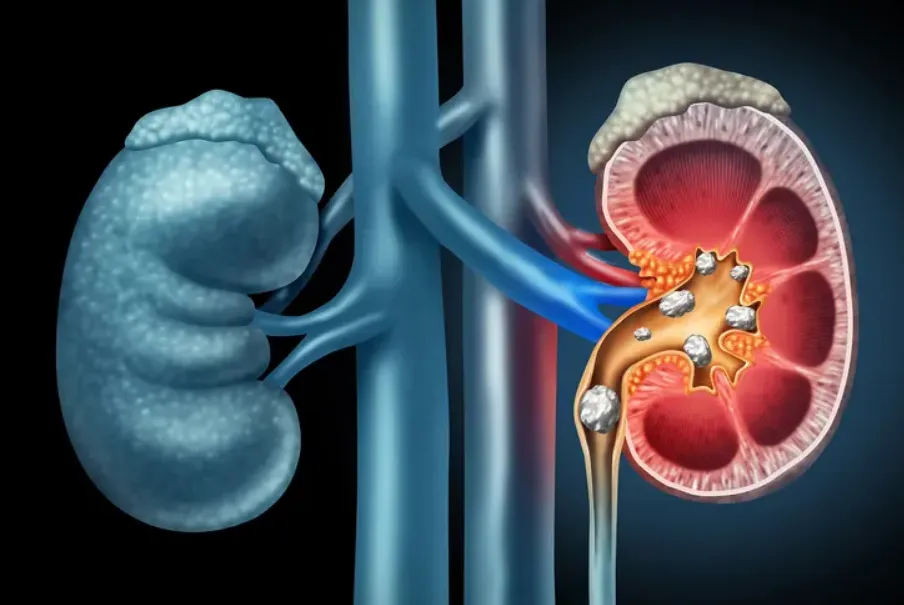
Kidney stones are hard mineral deposits that form when substances in your urine, like calcium, oxalate, uric acid, become too concentrated and crystallize. Several factors raise your risk:
Dehydration: Not drinking enough water makes urine more concentrated, giving crystals a chance to form and clump together.
Imbalanced diet: High intake of salt, sugar, processed foods, and certain animal proteins increases calcium and uric acid in the urine, while low intake of fruits and vegetables reduces natural protection against stones.
Urinary pH issues: Urine that is too acidic favors uric acid stones, while urine that is too alkaline can encourage certain phosphate stones. The “sweet spot” depends on your stone type.
Metabolic and hormonal factors: Insulin resistance, gout, overactive parathyroid glands, and some medications can all shift mineral balance and stone risk.
⚠️ Important: Severe pain, fever, or blood in the urine always warrants urgent medical care. Natural strategies are for prevention and mild, stable situations, not medical emergencies.
How Kidney Stones Are Detected: Key Testing Techniques
If you suspect a kidney stone, proper testing helps determine size, type, and best treatment. Common techniques include:
Urinalysis: A urine test checks for blood, crystals, infection, and measures urinary pH. A 24-hour urine collection can reveal how much calcium, oxalate, uric acid, and citrate you excrete.
Blood tests: These assess kidney function and levels of calcium, uric acid, and electrolytes that may be driving stone formation.
Imaging: Ultrasound, CT scans, or occasionally X-rays show the location, size, and number of stones, which guides whether they are likely to pass naturally or need intervention.
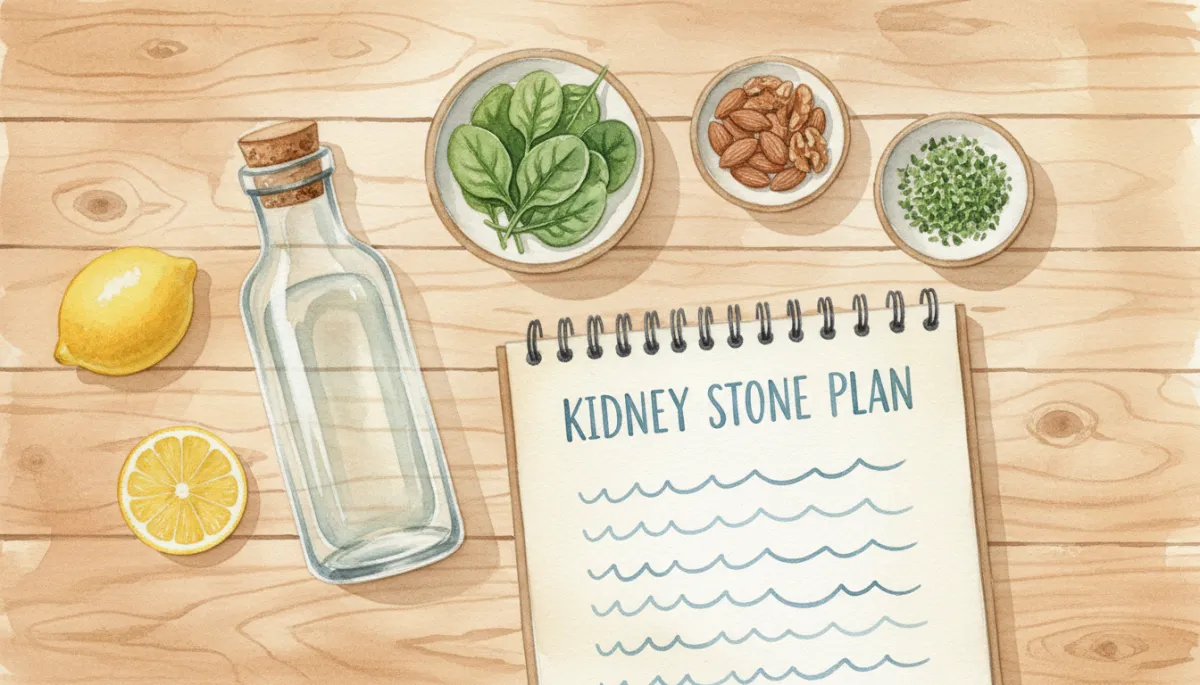
A simple daily plan combining hydration, nutrient-rich foods, and herbs can lower stone risk.
Hydration, Urinary pH, and Sunlight: Everyday Levers You Can Control
Hydration is your first line of defense. Aim for pale, straw-colored urine throughout the day. For many adults, this means roughly 2–3 liters of fluids daily, more in hot weather or with heavy sweating. Water should be the main choice, with herbal teas and diluted citrus drinks as helpful add-ons.
Urinary pH reflects how acidic or alkaline your urine is. Many stone-formers benefit from slightly more alkaline urine, which you can support by increasing fruits and vegetables and reducing heavy animal protein and processed foods. Some people use urine pH test strips at home to see how food and lifestyle changes affect them, ideally under guidance from a healthcare professional.
Sunlight exposure helps your body make vitamin D, which in turn influences calcium absorption and bone health. Moderate, regular sunlight—such as 10–20 minutes on arms and legs a few times per week, depending on skin type and climate, supports a healthy balance between calcium in bones and blood. Always protect against sunburn and follow your doctor’s advice if you have a history of high calcium levels or sensitive skin.
The Role of Diet: Foods to Include and Avoid
Diet can either fuel kidney stones or help prevent them. While specifics vary by stone type, some general principles are widely helpful.
Foods to Include
Citrus fruits like lemons, limes, and oranges: They provide citrate, which binds to calcium in the urine and helps block stone formation. Lemon water is a simple daily habit.
Plenty of vegetables and moderate fruit: These add potassium, magnesium, antioxidants, and alkaline minerals that support a healthier urinary pH and reduce inflammation.
Calcium from food (not excess supplements): Sources like plain yogurt, cheese in moderation, and leafy greens help bind oxalate in the gut so less reaches the kidneys.
Healthy fats and plant proteins: Olive oil, avocado, nuts (if tolerated), seeds, lentils, and beans support overall metabolic health and reduce reliance on heavy red meat.
Foods to Limit or Avoid
Excess salt: High-sodium diets increase calcium loss in urine. Avoid heavily salted snacks, fast food, and processed meats; cook mostly from fresh ingredients when possible.
Sugary drinks and refined carbs: Soda, sweetened juices, and pastries can worsen insulin resistance and uric acid levels, raising stone risk and burdening kidneys.
Heavy animal protein: Large portions of red meat, organ meats, and processed meats increase uric acid and acid load in the body. Focus on smaller portions, more fish and plant proteins.
Very high-oxalate foods in excess (for calcium oxalate stone formers): Spinach, beets, rhubarb, and large amounts of nuts can contribute to oxalate load. Portion control and pairing with calcium-rich foods often help.
Natural Remedies and Supportive Nutrients for Kidney Stones
Alongside medical care and lifestyle changes, several traditional herbs and nutrients are used to support kidney health and ease stone passage. Always discuss these with your healthcare provider, especially if you take medications or have chronic conditions.
Dandelion root: Often taken as tea or tincture, dandelion root is considered a gentle diuretic, encouraging urine flow and helping the kidneys flush waste more effectively.
Aloe vera: Aloe juice (from safe, internal-use products) may have soothing, anti-inflammatory properties for the urinary tract. Use in moderation and avoid products containing strong laxative components unless advised.
Juniper berry tea: Traditionally used to support kidney and bladder function by gently increasing urine output. It should be used short-term and avoided in pregnancy or significant kidney disease unless supervised.
Horsetail herb: Rich in silica, horsetail is used in herbal medicine to support urinary tract tissues and mild diuresis. Quality control is important to avoid contamination; follow dosing instructions carefully.
Nettle leaf: Nettle tea or capsules can support kidney function and provide minerals like magnesium and potassium. It is often combined with other kidney-supportive herbs in blends.
Cranberry extract: Best known for bladder health, cranberry may help reduce certain bacteria that can contribute to infection-related stones. However, in some people prone to calcium oxalate stones, high cranberry intake may raise oxalate levels, so extracts should be used thoughtfully.
Magnesium: Magnesium helps balance calcium and may reduce oxalate absorption. Many people fall short of optimal magnesium intake. Food sources include pumpkin seeds, almonds, black beans, and leafy greens; supplements may be considered with professional guidance, especially for those with kidney impairment.
Vitamin B6 (pyridoxine): B6 plays a role in oxalate metabolism. Adequate intake from foods like poultry, fish, potatoes, bananas, and fortified cereals, or supplements, may help some calcium oxalate stone formers.
💡 Pro Tip: Introduce one natural remedy at a time and track how you feel, alongside lab results when available. This makes it easier to see what truly helps you.
Putting It All Together: A Practical Kidney Stone Prevention Routine
A realistic daily plan might include starting your morning with a glass of water and fresh lemon, building meals around vegetables, moderate protein, and whole foods, keeping a refillable water bottle nearby, and enjoying one or two cups of kidney-supportive herbal tea such as dandelion, nettle, or a blend recommended by your practitioner. Add in regular, safe sunlight exposure and gentle movement to support circulation and metabolic health.
Kidney stones are complex, but your everyday choices matter. By understanding root causes, using appropriate testing, and leaning on smart nutrition, hydration, urinary pH balance, sunlight, and time-tested natural remedies, you can take meaningful steps toward fewer stones and more comfortable days. Always pair these strategies with professional medical advice tailored to your unique history and stone type.
📌If you currently struggle with kidney stones, I have a targeted kidney-support supplement you can order that may help. Reach out on DM or through website contact form.
