Best Foods for Women Battling Fatigue
Women's Health, Nutrition, Fatigue
Top 3 Best Foods for Women 30–50 Dealing with Fatigue
Feeling tired all the time can make even simple days feel overwhelming. The good news: some everyday foods can gently support your energy, hormones, and mood—without complicated diets or extreme changes.

First, a Quick Look at the Root Cause of Fatigue
Before we talk about food, it helps to understand the root cause of why so many women between 30 and 50 feel drained. Yes, life is busy—careers, kids, aging parents, relationships—but your body also goes through big shifts in this decade. Hormones start to fluctuate, stress can stay “switched on” for longer, and nutrients like iron, B vitamins, and magnesium can quietly run low over time.
Fatigue often comes from a mix of factors: blood sugar ups and downs, not enough restorative sleep, mild nutrient deficiencies, and chronic stress. Food can’t fix everything, but it can create a steadier foundation so your body has what it needs to cope with all the demands on you.
1. Leafy Greens: Iron, Folate, and Magnesium in One Bite
Spinach, kale, Swiss chard, rocket, and mixed salad greens are true energy allies. They are rich in iron and folate, which help your blood carry oxygen around your body, and magnesium, which supports calm, steady energy and better sleep quality. Many women in their 30s and 40s are slightly low in these nutrients, especially if periods are heavy or stress is high.
- Add a big handful of greens to omelettes, soups, or pasta sauces.
- Build a lunch bowl with mixed leaves, chickpeas, and roasted veggies.
- Blend a small handful of spinach into a smoothie—you’ll barely taste it.
2. Fatty Fish: Support Hormones and Brain Fog
Salmon, mackerel, sardines, trout, and herring are packed with omega‑3 fats, high‑quality protein, and vitamin D. These nutrients can support mood, reduce inflammation, and help keep hormones more balanced—all of which matter when you’re fighting fatigue and brain fog in your 30s and 40s.
Protein from fish also helps keep your blood sugar steadier, so you’re less likely to crash at 3 p.m. and reach for sugary snacks. If you don’t eat fish, you can still get some of these benefits from walnuts, chia seeds, flaxseeds, and algae‑based omega‑3 supplements, but fatty fish is one of the most efficient whole‑food options.
- Try baked salmon with olive oil, lemon, and herbs once or twice a week.
- Keep tinned sardines or mackerel on hand for quick lunches on toast or crackers.
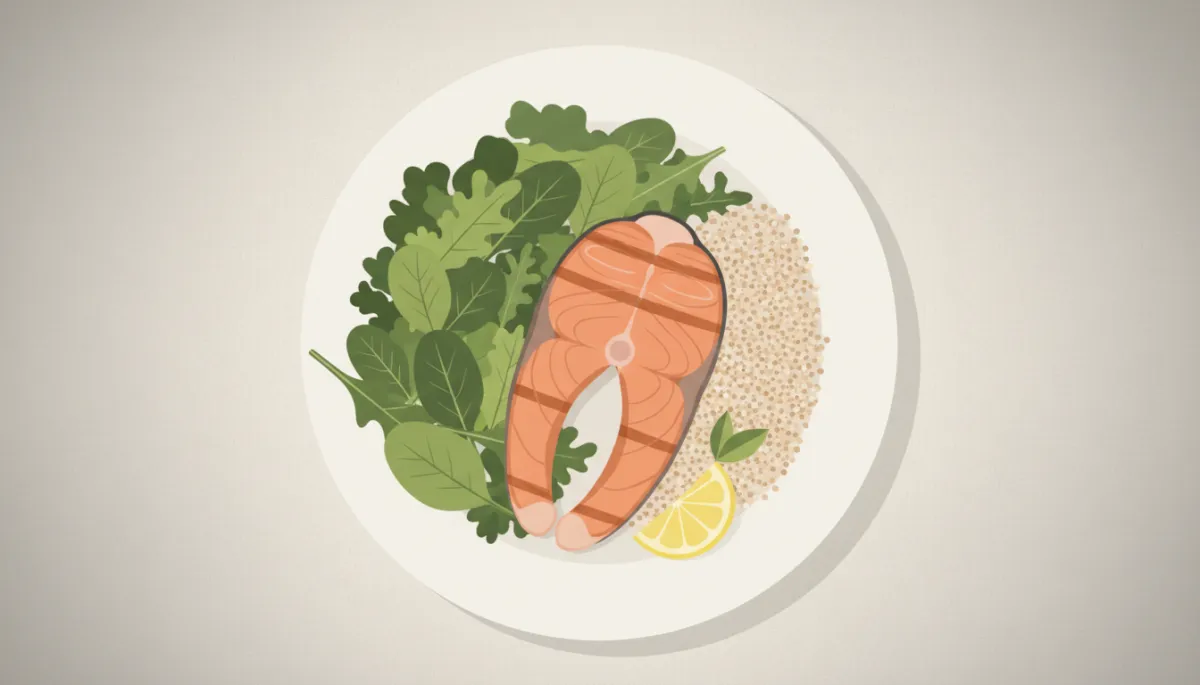
A simple plate with protein, greens, and whole grains can steady energy all afternoon.
3. Quinoa and Other Whole Grains: Slow, Steady Fuel
When you’re exhausted, it’s tempting to grab white bread, pastries, or sugary snacks. They give a quick boost, then leave you even more tired. Whole grains like quinoa, oats, brown rice, and barley digest more slowly, giving your body a gentle, long‑lasting supply of energy instead of a spike and crash.
Quinoa is especially helpful because it offers both complex carbohydrates and complete protein, plus minerals like magnesium and iron. That combination supports blood sugar balance, muscle recovery, and a calmer nervous system—key pieces of the fatigue puzzle for busy women.
- Swap white rice for quinoa or brown rice in your usual dinners.
- Start the day with oats topped with berries, nuts, and a spoon of yogurt.
Bringing It All Together in Real Life
You don’t need a perfect diet to feel a difference. Start by adding, not restricting. Aim to include at least one of these foods—leafy greens, fatty fish, or whole grains—at most meals. Over a few weeks, many women notice fewer energy crashes, better focus, and a more stable mood.
If fatigue is intense, sudden, or constant despite nourishing meals, it’s important to check in with a healthcare professional to explore deeper root cause issues like thyroid function, anemia, or sleep disorders. Think of these foods as kind, daily support for your body while you also get the right medical guidance.
Your energy is not a luxury—it’s the fuel that lets you show up for everyone and everything you care about, including yourself. A few small, consistent changes on your plate can be a surprisingly powerful place to start.